

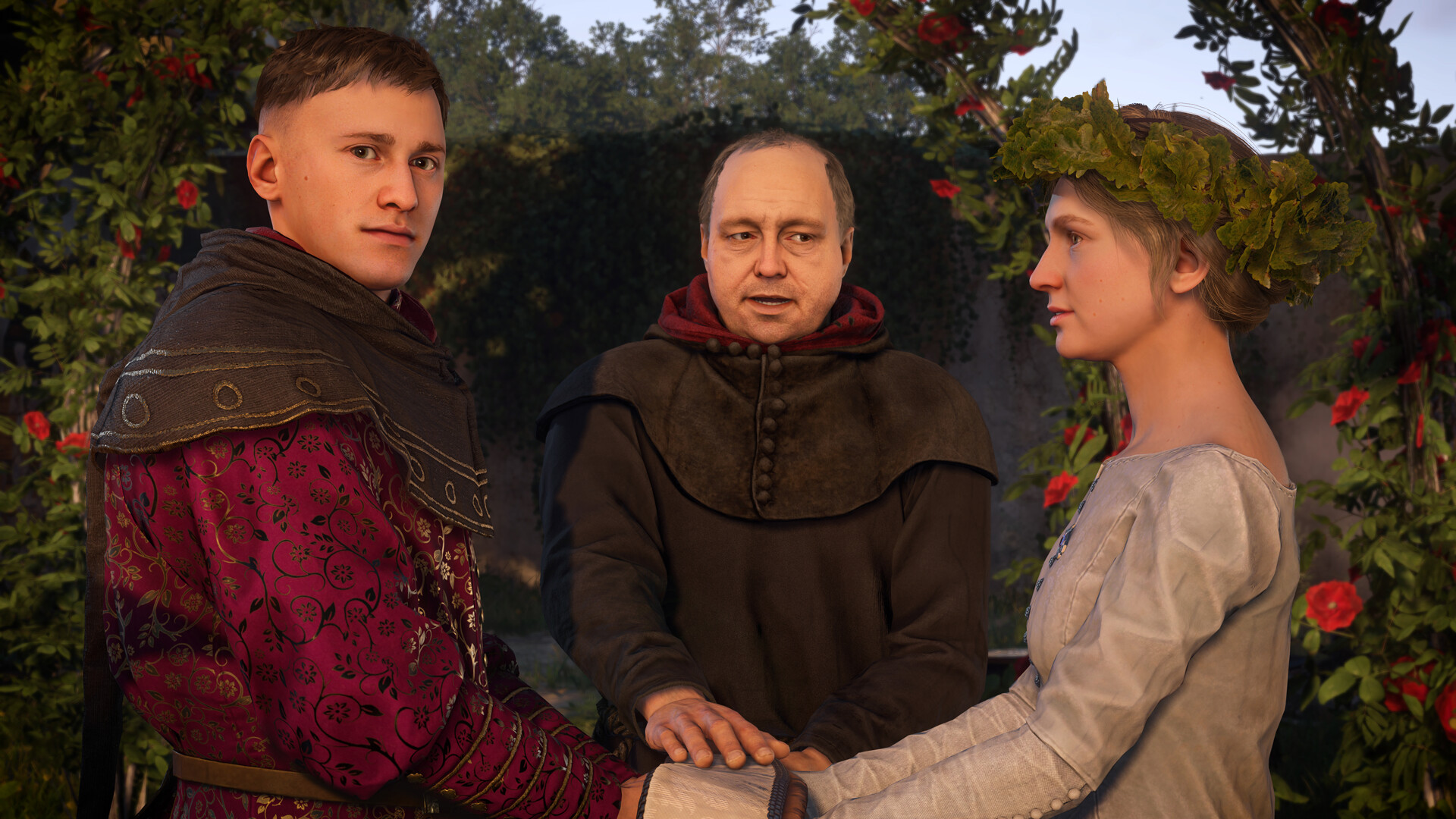

In the first half of 2026, overall Steam sales grew by $1.41 billion, but new releases accounted for none of the growth. Back-catalog sales added $1.80 billion while new releases shrank by $0.39 billion. The catalog drove more than 100 percent of the growth. Overall, new launches were a net negative.
Steam’s top 10 titles peaked in 2023 at $4.3 billion and have declined since. Mid-market titles (ranked 101 to 1,000) quadrupled from $1.1 billion in 2019 to $4.5 billion in 2025. The blockbuster tier is stalling while everything between the top 10 and the tail is growing. The mid-tier AAA release at $70 now competes with last year’s Game of the Year at $25 and a decade of classics at $10.
Blockbuster consensus
Since the pandemic, publishers have become more risk-averse. Instead of releasing risky, innovative titles, they prefer to rely on established franchises. Like Hollywood, the games industry prefers sequels that signal quality and reduce demand uncertainty.
At a time when the entire industry is holding its breath for the release of Grand Theft Auto VI, wintering through a soft period by betting on blockbusters seems the obvious choice. Investors love it. Audiences love it. What’s not to like?
Plenty of theory backs this up. Anita Elberse, a Harvard Business School professor, described in her 2013 book, Blockbusters: Hit-making, Risk-taking, and the Big Business of Entertainment, how concentrating budgets on a few likely winners beats carefully managing a broad portfolio, which merely produces marginal results. Blockbusters, she found, were not a gamble but a hedge.
Elberse was arguing against Chris Anderson’s 2006 long-tail thesis. As entertainment became increasingly digitized, he theorized that infinite shelf space would let niche titles collectively outsell the hits. Even small productions could assemble financially sustainable audiences worldwide thanks to digital distribution. For a decade, the evidence has sided with Elberse. Music and film were digitized, and demand was concentrated into fewer, bigger hits, exactly as she predicted.
Then there’s Steam.
According to GYLD, an Australian games agency (disclosure: author Joost van Dreunen is an advisor and investor), the world’s largest PC gaming storefront has stopped following Elberse’s script. In the first half of 2026, Steam generated $11.1 billion in revenue, up $1.41 billion from the previous year. Yet none of that growth came from new releases. Back-catalog sales added $1.80 billion while new releases shrank by $0.39 billion, falling from $2.79 billion to $2.40 billion. Existing games drove more than 100 percent of the platform’s growth. Overall, new launches were a net negative.

Can’t catalog sales just be blockbuster sales?
Fair question. New-versus-old and hit-versus-niche are different axes. If the $8.7 billion catalog were dominated by GTA V, Baldur’s Gate 3, and a handful of evergreen live-service giants, Elberse would be winning after all. Old blockbusters eating new blockbusters is still a blockbuster economy, just one with its back turned to the release calendar.
That’s not what GYLD’s numbers show.

Steam’s top 10 titles earned $4.0 billion in 2025, down from a peak of $4.3 billion in 2023, and falling for two consecutive years. As a share of the platform, the blockbuster tier has slid from roughly 41 percent in 2019 to 28 percent in 2025. Meanwhile, the mid-market, titles ranked 101 to 1,000, quadrupled from $1.1 billion to $4.5 billion over the same period. Add the hits tier (ranked 11 to 100), and the middle of the market earned $9.0 billion in 2025, more than double the top 10 combined.
You’ll notice the long tail here: everything ranked 1,001 and below grew sevenfold since 2019 to $1.5 billion. Impressive, yes, but still just 10 percent of the platform.
Here’s where that leaves us. Both Anderson and Elberse took extreme positions on what would drive growth in a digital marketplace. In 2026, on the largest PC storefront in the world, the answer sits between their extremes: titles ranked 11 to 1,000 earned $9.0 billion in 2025, more than double the top 10, and grew while the blockbuster tier shrank.
Buying the backlog, yes, but not playing it
There’s a second twist here, which feels both intuitively correct and odd. People are buying all these old games. They are not, it turns out, playing them. Think of it as backlog inflation, rather than a catalog renaissance. That seems totally on brand for Steam players. A 2014 analysis by Kyle Orland showed that buying and playing were two different things on Steam.
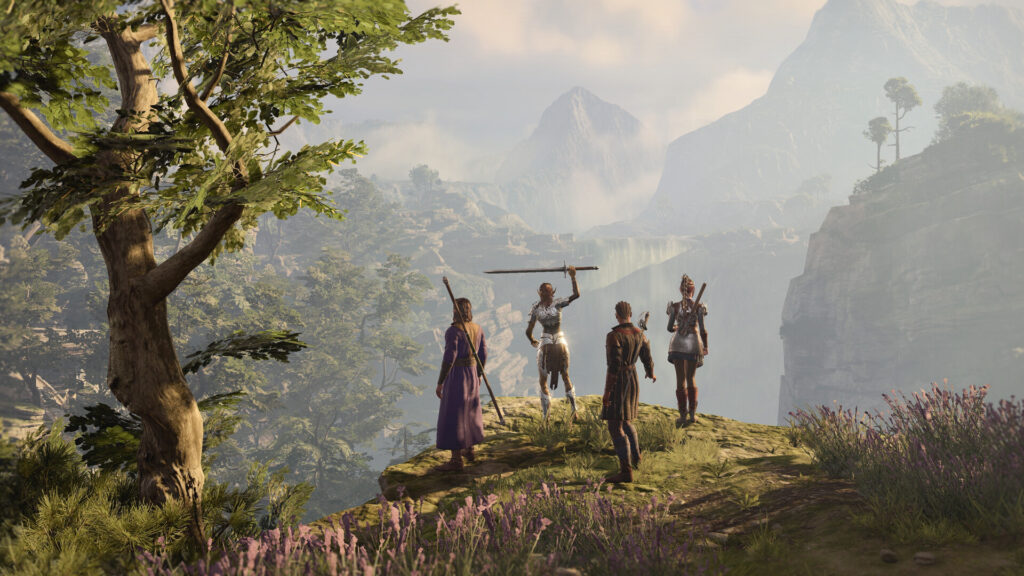
On a same-game panel of 16,565 pre-2024 titles measured across both 181-day halves, catalog spending rose 26 percent while average daily players per game fell 10 percent. Twenty years into the argument between Anderson and Elberse’s extremes, it turns out people buy as Anderson predicted and play as Elberse did.
What does this mean for blockbuster releases?
I’ve previously written about the changing stance among players toward games: low-tech, low-brow, and low-cost. Yes, we have GTA VI, and it’ll be amazing. But game costs keep creeping up for consumers, in both hardware and software. Where console makers can improve their margins by eliminating physical carriers and pocketing refunds after suing over the tariffs imposed in early 2025, consumer prices only go up. No surprise, then, that demand for cheaper alternatives is growing.
It raises the stakes for big launches. Every new release competes against everything ever made, most of it at a steep discount, and much of it destined for a backlog that will never be played.
None of this lowers the ceiling for marquee titles like Marvel’s Wolverine or GTA VI. They will do enormous numbers. What does change is the floor, and the odds for everyone below the very top. The mid-tier AAA release at $70 now competes with last year’s Game of the Year at $25 and a decade of classics at $10. If, following Elberse’s logic, a blockbuster strategy was supposed to be the hedge, it is losing its efficacy.

All this fits the pattern I’ve described as the Play Pendulum. The industry swings between phases of content innovation and distribution innovation. In the distribution phase we’re in, consumers hunt for cheaper alternatives, and creatives who own an audience thrive, while large publishers struggle with high development costs and ever-longer timelines.
Prediction
Assuming this two-year trend continues, Steam’s top 10 titles will account for less than 25 percent of platform revenue by EOY 2027.
The blockbuster tier’s share has declined from roughly 41 percent in 2019 to 28 percent in 2025, and its absolute revenue has declined for two straight years since the freak 2023 cohort of Baldur’s Gate 3, Hogwarts Legacy, and Starfield.
For the prediction to miss, the top of the market needs a 2023-scale year, twice, in the window when GTA VI is pulling full-price spending toward console. Meanwhile, everything below the top 10 keeps compounding: every title that succeeds joins the catalog, where it sells at a discount forever, deepening the shelf the next blockbuster competes against.