

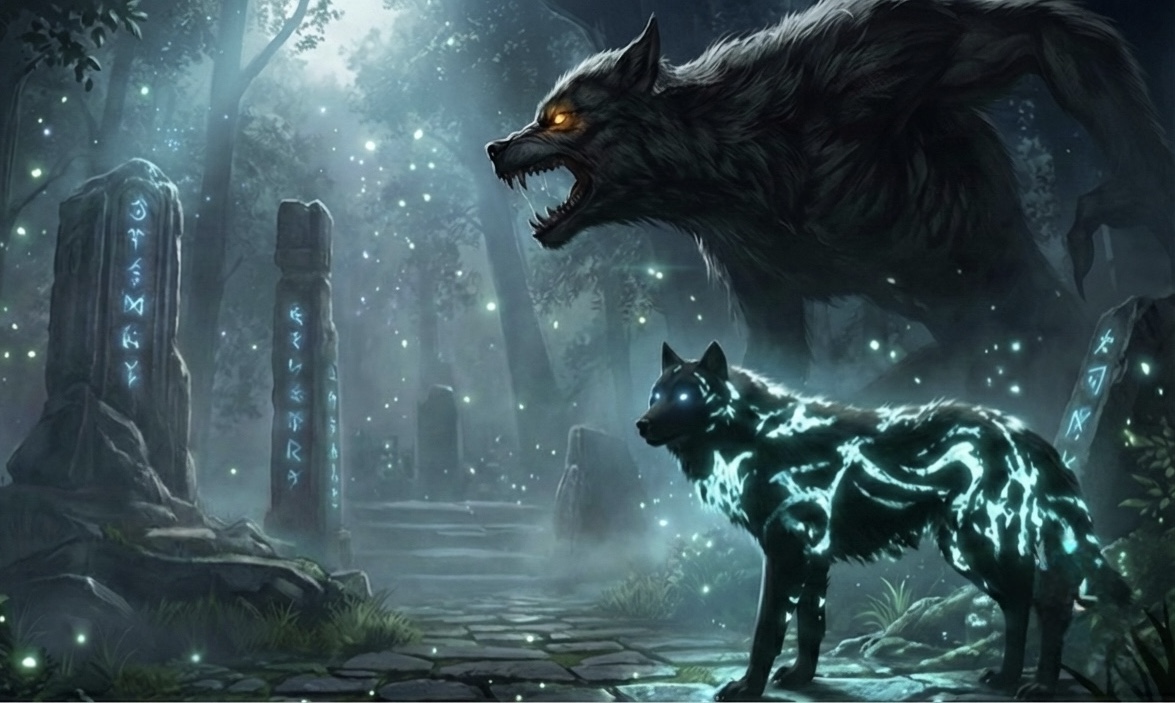
, learned an important lesson...)
After releasing his first solo developed game Q’Redux, Kaighen Finley (working under the name Team iNtuition), learned an important lesson: players ultimately judge the final experience, not the effort behind it. “That was a shift for me,” he says. “Early on, I was building everything from scratch because it felt ‘right’ as a developer. But to players, polish matters more than purity.” So, for his second game Daemon: The Wolf, the witch and the labyrinth, Finley leaned heavily into playtesting. “Most ideas start alone, prototyping mechanics and testing how something feels. But I’ve learned not to trust that in isolation.”
Playtesting became essential. As he puts it, “It’s a mix of solo iteration and external validation,” and his workflow now revolves around observing real player behavior rather than stubbornly defending his ideas. After early feedback revealed gaps in clarity and design, he adopted a new credo: “Don’t build in isolation.” Now, with Daemon released on Steam, Finley is already looking ahead: “I don’t see solo development as the end goal, more like a phase,” he says. “I’d love to build a small, hand-picked team of people I trust and genuinely enjoy working with.”
Why did you become a solo developer?
“I decided to go solo full-time in 2018. Before that, I spent about two years building a website development business. It was practical, it made sense on paper, but I wasn’t passionate about it. What I actually wanted to do was make games. At a certain point, some encouragement from people around me pushed me to stop playing it safe and take that leap. Since then, this has been my full-time path. It wasn’t the ‘logical’ decision, but it was the honest one. And I’ve been committed to it ever since.”
What are the biggest advantages of working solo?
“Clarity and cohesion. When you’re working solo, there’s no disconnect between vision and execution. Every system, mechanic, and design choice flows through a single perspective, which can make the experience feel more intentional. There’s also speed in decision-making. You don’t need alignment meetings, you just iterate. For a game like Daemon, where the experience is very much about atmosphere, transformation and feel, that cohesion helped a lot.”
And the biggest pitfalls?
“You are the bottleneck for everything. Art, design, code, UX, marketing… every weak area is exposed. And more importantly, you don’t have a built-in perspective. You can easily go too far in the wrong direction without realizing it. Another big lesson I learned, especially from my first game Q’Redux, is that players don’t really care how much effort you put in. They care about the final experience. That was a shift for me. Early on, I was building everything from scratch because it felt “right” as a developer. But players aren’t evaluating your process, they’re evaluating how the game feels in their hands. To players, polish matters more than purity.
What’s your creative process?
“It’s a mix of solo iteration and external validation. Most ideas start alone, prototyping mechanics, testing how something feels moment-to-moment. But I’ve learned not to trust that in isolation. With Daemon, I leaned heavily into playtesting. That includes in-person sessions (around 20) as well as streamer and community feedback. The process became: Build → test → observe → adjust → repeat. Instead of defending ideas, I try to watch how players actually interact with them.”
How do you stay motivated through years of development?
“For me, this isn’t something I have to ‘stay motivated’ for. It’s something I’ve chosen as a lifestyle. I’ve been doing this for about eight years now, and at a certain point it becomes less about bursts of motivation and more about commitment. This is the path I’ve chosen to build my life around. That said, motivation does fluctuate and during those times, what helps most is seeing real players engage with the game. When someone connects positively with what you’re building, even in a small way, it reinforces why you started.”
Will you ever work in a team or is it only solo for you?
“I don’t see solo development as the end goal, more like a phase. I’d love to build a small, hand-picked team of people I trust and genuinely enjoy working with. Not just skilled developers, but intuitive collaborators. People who understand the feel of a game and can contribute meaningfully to it. There’s a quote I really like: “Joy multiplies when shared among friends, but grief diminishes with every division.” That’s how I see it. I can do everything myself, but building something meaningful with the right people is ultimately more rewarding.”
How did you get the idea for Daemon? What makes it unique?
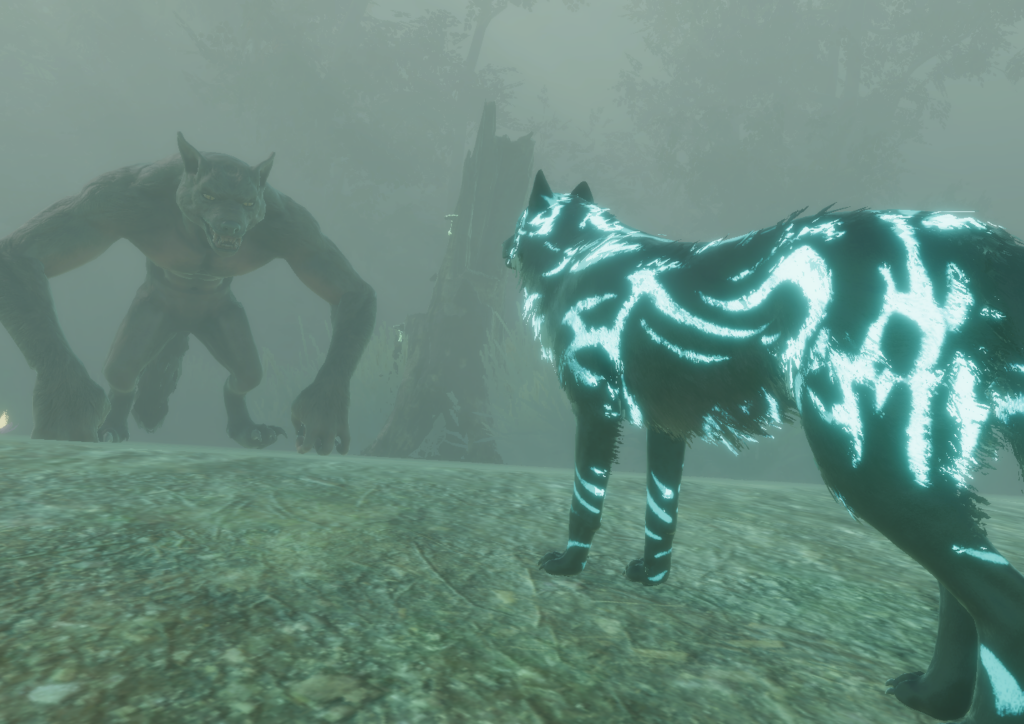
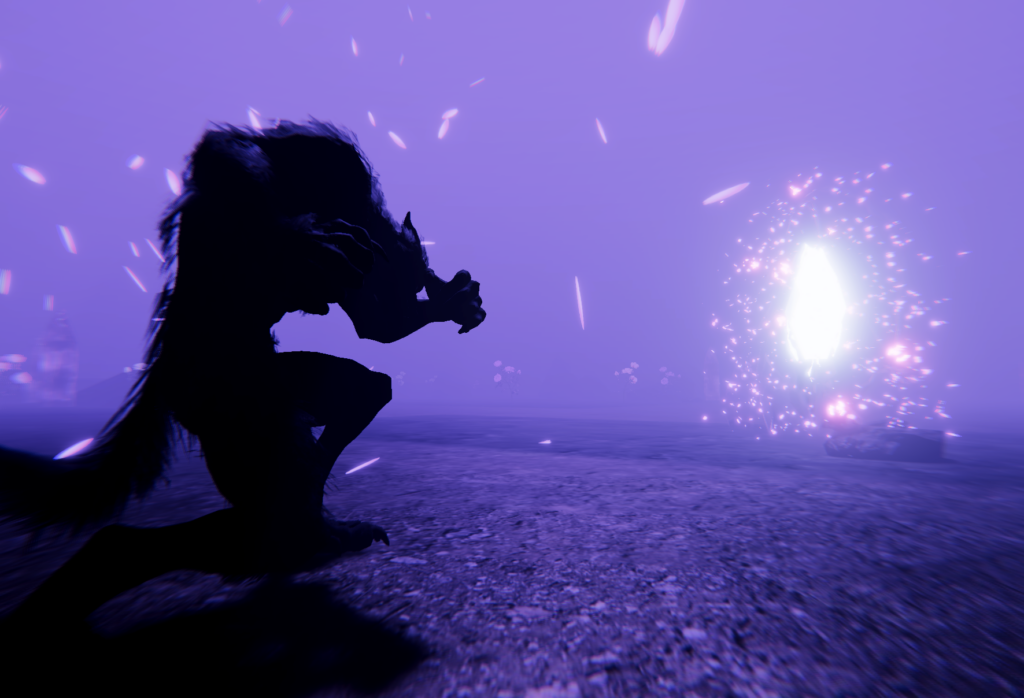
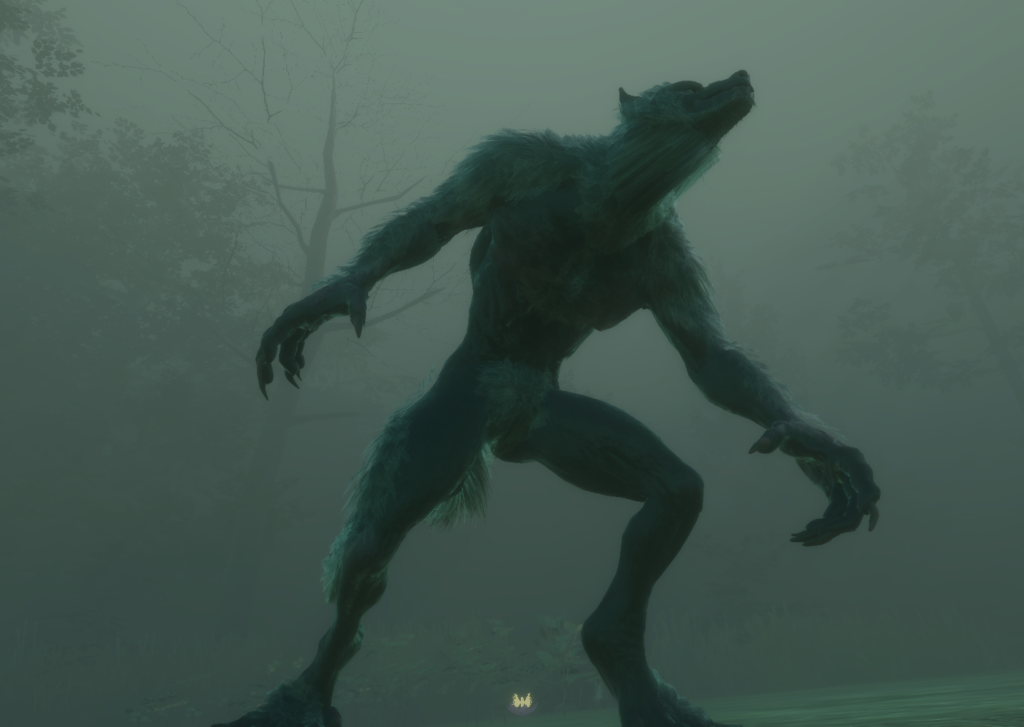
“Daemon came from wanting to build a game around contrast — specifically between vulnerability and power. That’s where the core mechanic came from: shifting between a wolf (focused on exploration and awareness) and a werewolf (focused on combat and impact). The goal was to create a rhythm where players aren’t just fighting constantly, but switching mental states — navigating a misty, uncertain world, then transforming into something capable of confronting it directly. It’s also heavily rooted in atmosphere and identity — you’re piecing together what you’ve lost while adapting to what you’ve become.
You mentioned the game was shaped through playtesting. What did you learn?
“This was probably one of the most important parts of development. I ran around 20 in-person playtests, and also gathered feedback from streamers and players during Steam Next Fest. That event alone helped push the game from around 500 to over 1,000 wishlists, but more importantly, it surfaced a lot of design issues. But what stood out most was how often players struggled with things I thought were clear. It reinforced that clarity and guidance are just as important as mechanics.
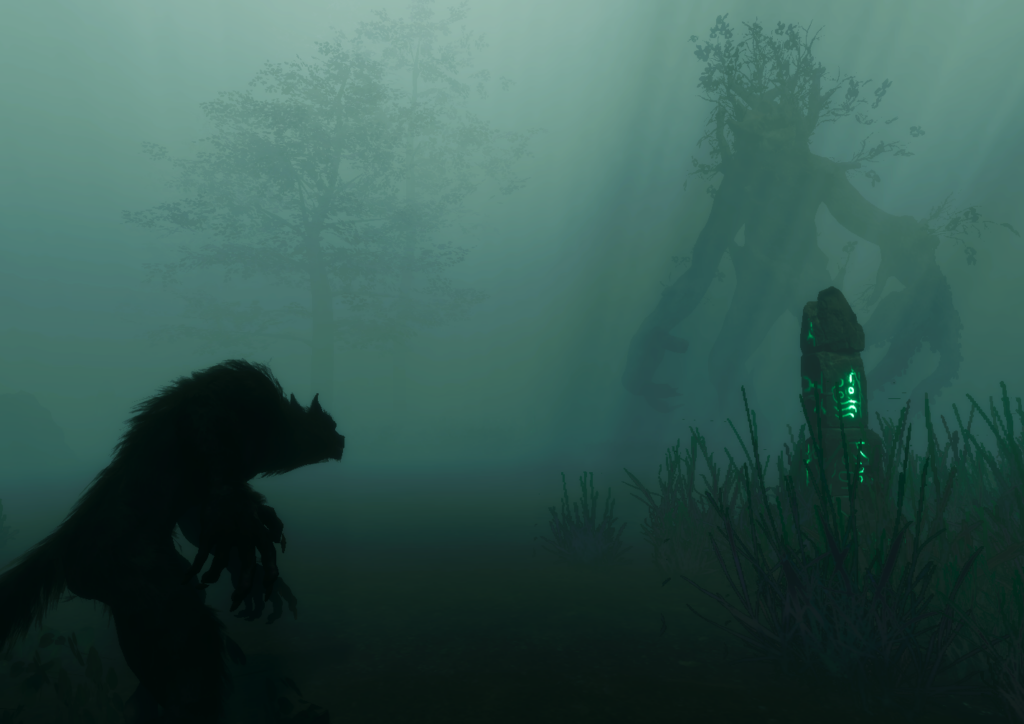
Some key changes directly from feedback: Adding Spirit Orbs to help guide players through the maze (players were getting lost). Introducing difficulty settings, since not every Zelda-style player enjoys Souls-like difficulty. Implementing a boundary system to make edges of the map more readable in heavy fog. Adding sound settings, which was actually one of the first major requests (someone cared enough to make a forum post about it).
What’s the biggest lesson you learned from this project?
“Don’t build in isolation. It’s easy to believe something works because it makes sense to you, but players experience the game without your context. The earlier you bring people into the process, the better your game becomes.
How do you deal with the mental health challenges of solo development?
“It can definitely be difficult at times. What’s helped me most is maintaining balance outside of development. Things like fitness, getting sunlight, listening to music, staying socially connected, and even just playing other games. There are periods where motivation dips or things feel heavier, especially depending on the time of year. In those moments, leaning more into physical activity and getting outside has been one of the most effective ways to reset.”
Daemon: The Wolf, the witch and the labyrinth is out now on Steam.