

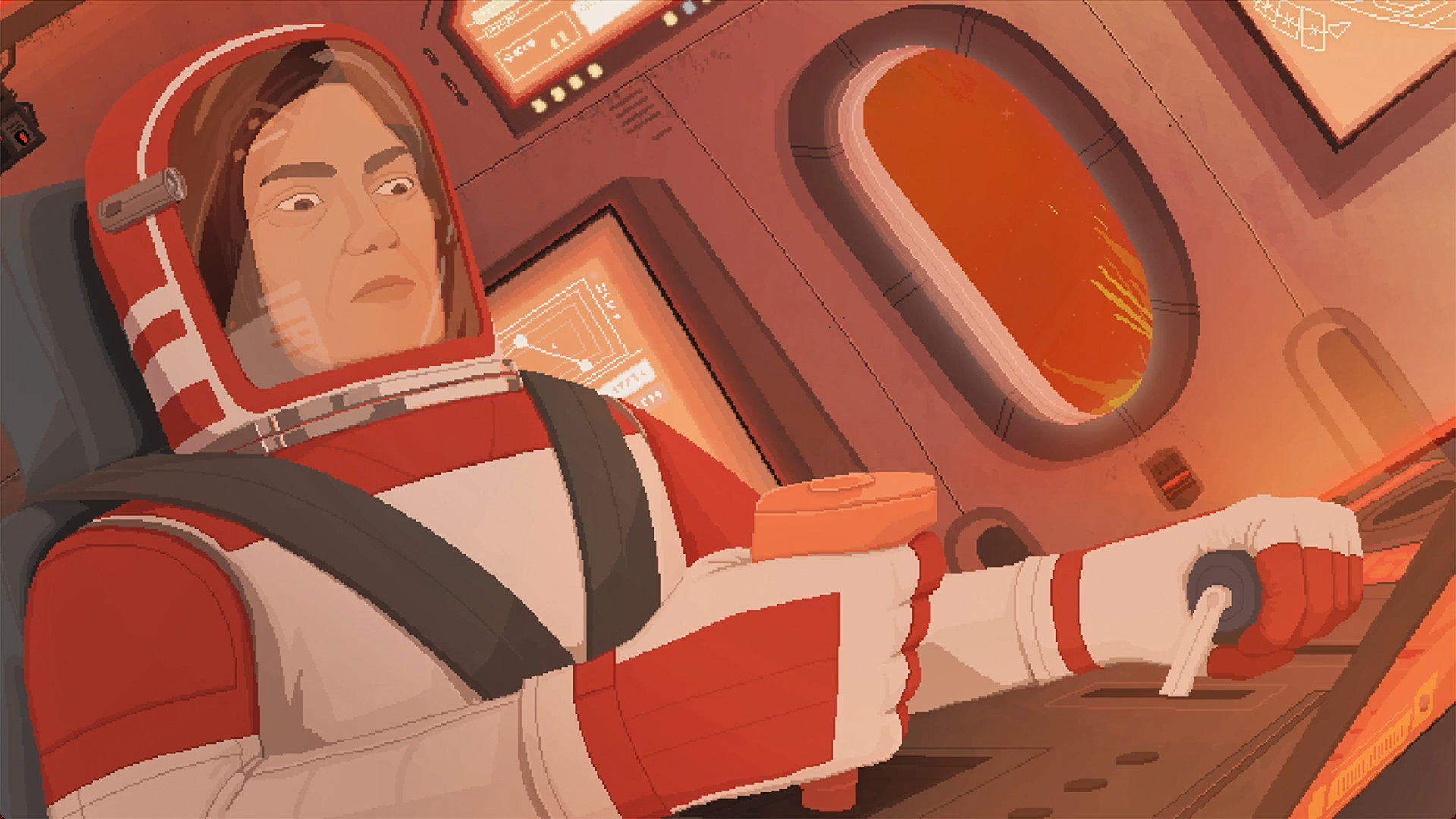

Indie game studio Gametopia has just announced Red Dreams, a narrative adventure that combines psychological science fiction with Māori cultural influences. The project marks a significant step forward for the Spain- and Colombia-based team behind Verne: The Shape of Fantasy, introducing a darker story, more ambitious production values and a new visual approach that blends detailed pixel art with 3D environments built in Unreal Engine. “Production times have skyrocketed, but I truly believe the result is worth it.”
At the center of the story is Mere Turei, a Māori astrophysicist who arrives at Taniwha Station, a remote research facility floating above the vast Red Ocean of Kiwa, an exoplanet located nine light-years from Earth. Mere is searching for her missing friend Emily, a neuroscientist who vanished under mysterious circumstances. The search takes place against the backdrop of a strange phenomenon known as the ‘Red Dreams’, visions so vivid that they become indistinguishable from real memories. As the investigation unfolds, Mere is forced to reconcile scientific reasoning with the ancestral knowledge and cultural heritage she carries with her.
For Creative Director Daniel Gonzáles, Māori culture became a natural foundation for the project. “For me, crossing the cosmos in a tiny vessel surrounded by the void is the closest thing to what ancient navigators must have felt while crossing the Pacific in a Māori waka (canoe). That analogy is the foundation of Red Dreams’ identity.” The team worked with a Māori cultural consultant throughout development and partnered with New Zealand actress Rebecca Ronayne to portray Mere. “For us, authenticity is never optional,” Gonzáles says.
Inner journey
While the setting is firmly science fiction, Red Dreams is less concerned with technology than with the people who choose to leave everything behind. Gonzáles points to literary and cinematic influences such as Stanisław Lem’s Solaris and the films of Andrei Tarkovsky. “The game explores several themes that deeply interest me: loneliness, nostalgia for childhood and dealing with painful memories,” he explains. “Red Dreams is an inner journey for the protagonist, a struggle against her own self-deceptions and denials.”
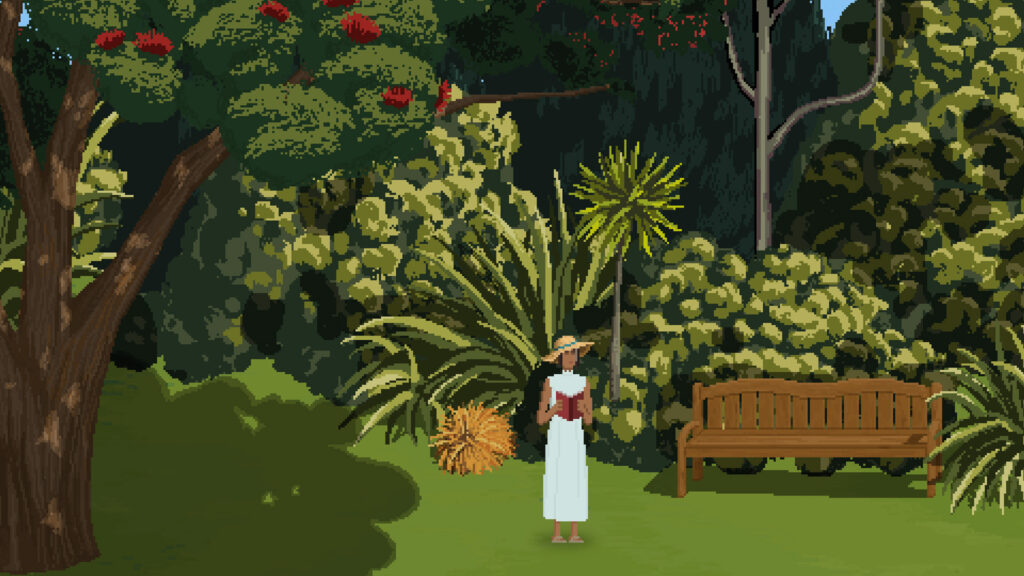
The mystery surrounding Emily’s disappearance forms the backbone of the narrative, but player decisions will shape how events unfold. Dialogue choices and investigative actions can influence the outcome of Mere’s search, while an AI drone named AFI serves as both a practical companion and an evolving presence throughout the story. According to the studio, the relationship between Mere and AFI develops over time, gradually blurring the line between tool and companion.
Feminine perspective
The game also represents a technical evolution for Gametopia. Known for its pixel-art adventures, the studio is now integrating that visual style into fully 3D environments illuminated by dynamic lighting. “The leap in quality is massive,” Gonzáles says. “We are maintaining the same exhaustive level of detail in our pixel art, but now within 3D environments using Unreal Engine.” The move has significantly increased production complexity, but Gonzáles describes the transition as “a complete creative liberation.”
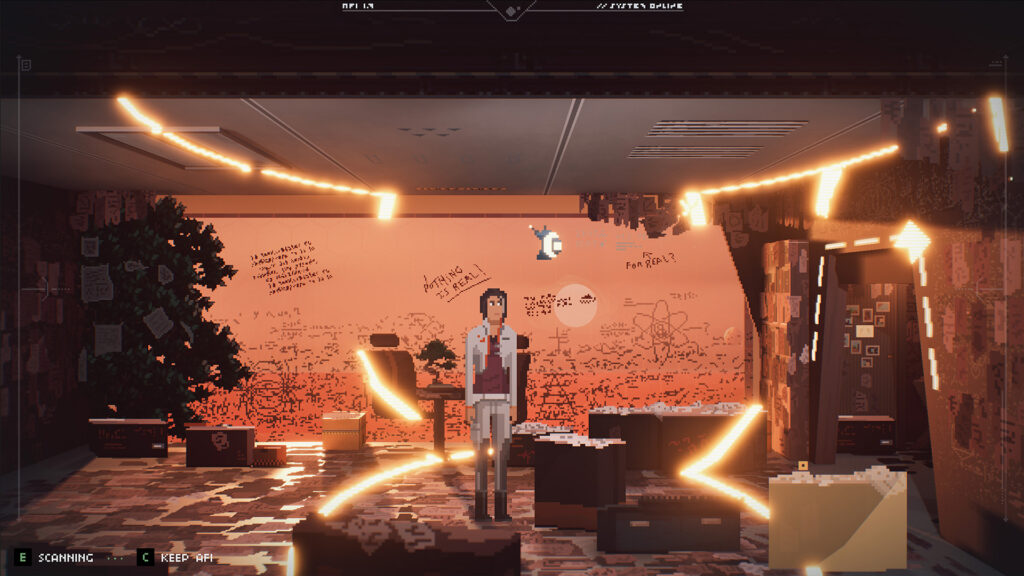
Despite the expanded scope, Red Dreams is still being developed by a relatively small team. “The core team consists of three people,” Gonzáles explains. He works from Madrid, Spain alongside artist Alicia Perez, who joined the project for Red Dreams, while programmer and R&D lead Diego Adrada is based in Colombia. Gonzáles highlights Alicia’s contribution in particular, noting that “since this project is a story centered around women, Alicia’s artistic vision has been fundamental in bringing that necessary feminine perspective to the game.”
Deeply moving
Additional collaborators contribute at key stages of development. Among them is composer Carlos Martorell, whose soundtrack combines Māori-inspired sounds with electronic textures. Gonzáles describes the result as a soundscape that reflects both the cultural roots and futuristic setting of the game. Another key contributor is Ronayne, whose performance brings both linguistic and cultural authenticity to the project. “Hearing her speak in Māori has been deeply moving and adds incredible depth to the project,” he says.
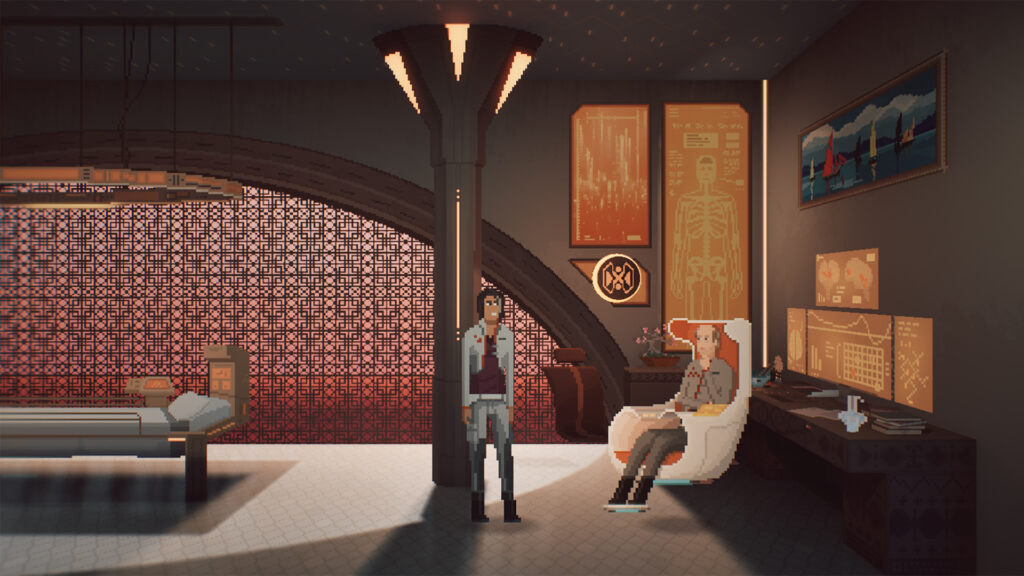
Underlying all of these creative decisions is a theme that has fascinated Gonzáles for years: exploration. “Māori culture felt like a natural influence for Red Dreams because the game is ultimately about exploration, identity and venturing into the unknown,” he says. He draws a direct connection between Māori navigators crossing the Pacific guided only by the stars and humanity’s ongoing fascination with space travel. “Those themes became central to Red Dreams. By incorporating Māori-inspired design, storytelling and symbolism into the game’s distant ocean world and futuristic setting, I wanted to celebrate a culture that embodies the idea that no journey is too great for people who know who they are and where they come from.”
Red Dreams is expected to come out in 2027.