



For Argyro Brotsi, it wasn’t really a conscious choice to create a game by herself. “I didn’t originally plan to become a solo developer, it happened naturally through experimentation and learning.” Now working under the name Pofupofu Studios, Brotsi is developing Seina: A Tale of Spirits, her debut game and first full-time solo project. What began as a process of learning and experimentation has grown into what she describes as “a challenging but deeply creative experience.” One that allows her to work at her own pace while shaping every aspect of the game herself.
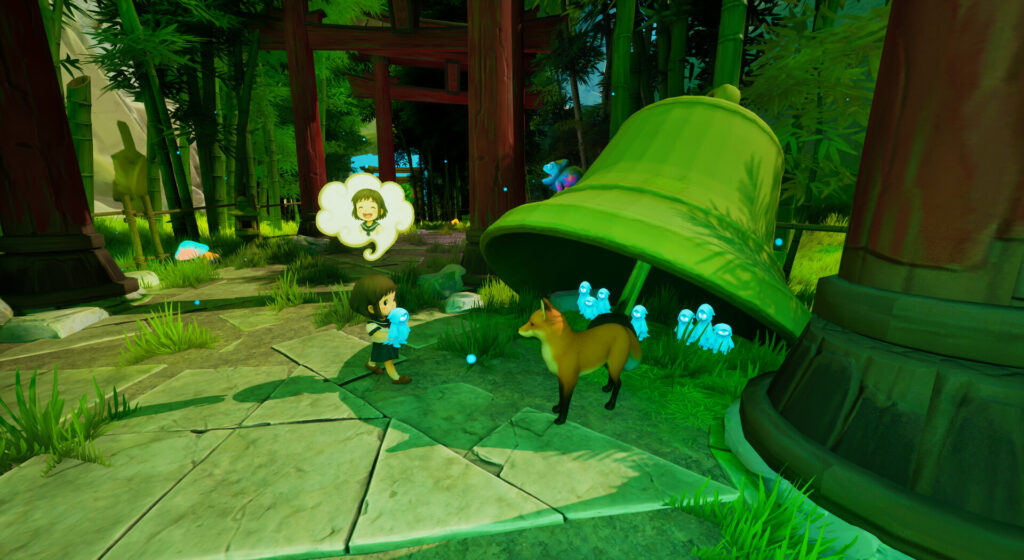
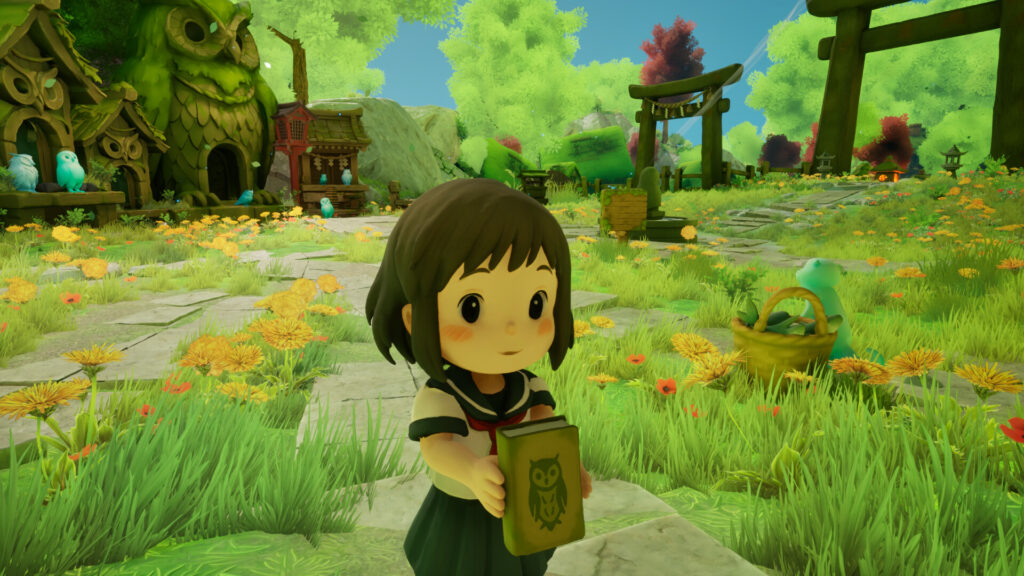
Brotsi is open about the realities of solo development, from the creative freedom it offers to the personal responsibility it demands. “The biggest advantage of working by myself is the freedom to create the game exactly as I imagine it,” she says, while also acknowledging that managing art, design, and production alone can be overwhelming. Inspired by a trip to Japan and a desire to create a peaceful, nature-driven experience, Seina: A Tale of Spirits blends exploration with a hand-painted watercolor aesthetic, reflecting Brotsi’s goal of building a world where players can “explore peacefully, feel calm and connect with nature.”
Why did you become a solo developer?
“I didn’t originally plan to become a solo developer, it happened naturally through experimentation and learning. Over time, I realized that this way of working suited me, as it allows me to fully express my ideas and work at my own pace. Seina: a Tale of Spirits is my first solo project and has now become my full-time focus. It’s a challenging but deeply creative experience, one through which I continue to grow as a developer.”
What are the biggest advantages of working solo?
“Τhe biggest advantage of working solo is the freedom to create the game exactly as I imagine it. I can make decisions quickly and work at my own pace. Being involved in every part of the project also helps me feel more connected to the game and makes the process more personal and enjoyable.”
And the biggest pitfalls?
“The biggest pitfalls of working solo are the heavy responsibility and the risk of burnout. Managing everything alone, all the art, design, testing, and organization can sometimes feel overwhelming. Without a team to share ideas or help solve problems, it’s easy to feel stuck or exhausted. Still, these challenges push me to grow, learn new skills and become more resilient as a creator.”
What’s your creative process?
“As a solo developer, my creative process is mostly individual. I brainstorm and experiment on my own, testing ideas and exploring how they will work in the game. It’s important for me to leave space for trial and error, because that’s often how the most interesting solutions and ideas emerge.”
How do you stay motivated through (years of) development?
“My motivation comes mainly from my love for the game and the world I’m creating. Every small progress, every new landscape or mechanic that works as I imagined, gives me the drive to keep going. I also imagine players exploring the world I’ve built and feeling what I felt in Japan, and that keeps me excited and dedicated even during the challenging stages of development.”
Will you ever work in a team or is it only solo for you?
“At the moment, I enjoy working solo because it gives me complete creative freedom and control over every aspect of the game. That said, I wouldn’t rule out collaborating with others in the future if the right opportunity arises or if I need help with specific parts of the project.”
How did you get the idea for Seina: A Tale of Spirits?
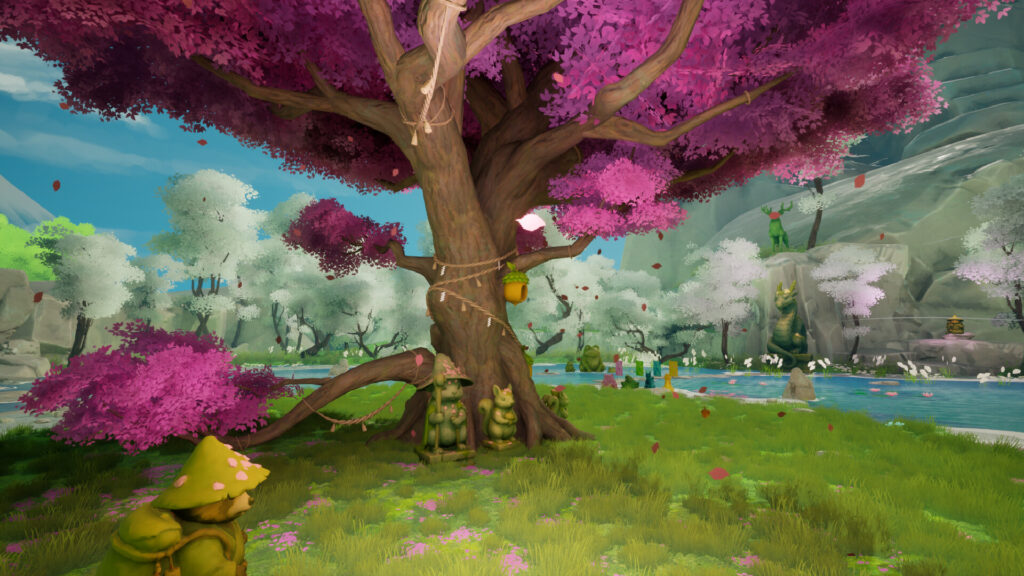
“The idea for Seina: A Tale of Spirits came from my trip to Japan. I was inspired by the quiet villages, temples, natural landscapes and the connection to Shinto, which focuses on the spirits of nature. I wanted to create a world where players can explore peacefully, feel calm, and connect with nature, just as I did there. What makes the game unique is the combination of this calm, warm atmosphere with a hand-painted watercolor art style that draws the eye and brings the world to life, blending exploration with a sense of personal connection and tranquility.”
What’s the biggest lesson you’ve learned from this project?
“I’ve been working on this game for about 6–7 months. There’s still a lot to do, mainly in terms of details and polishing, but each step brings me closer to the final result. The biggest lesson I’ve learned from this project is the importance of patience and consistency. You learn to manage your time, stay dedicated, and continuously grow as a creator.”
In the description it says ‘hand-painted watercolor world’. Is it really?
“Some of the models I created myself, while others I purchased. The process with the hand-painted designs remains the same: I bring them into Substance Painter to color, texture, and prepare them so they integrate properly into the game. This way, I can combine personal creation with ready-made assets to build a cohesive world.”
The toll on your mental health can be quite high for solo devs. How do you deal with that?
“For me, it’s mostly for fun and a hobby, not something I take too seriously. The fact that I enjoy it and don’t feel pressured helps me maintain my mental balance and stay relaxed, even during the more challenging stages of development.”
Seina: A Tale of Spirits is set for a 2026 release.